As a real estate professional, one of the most common questions I hear from homeowners is:
“Will renovating my kitchen increase my home’s value?”
The answer is usually yes—but not always in the way people expect.
A kitchen renovation can absolutely make your home more enjoyable to live in and more attractive to future buyers. However, some upgrades add significant value, while others may cost far more than they’ll ever return.
Whether you’re planning to sell in the next few years or simply want a kitchen that better fits your lifestyle, the key is making thoughtful decisions that balance functionality, style, and return on investment.
Here are ten steps to help guide a successful kitchen renovation:
1. Start With Your Goals
Before looking at countertops, cabinets, or paint colors, ask yourself what you’re really trying to accomplish. Do you need:
- More storage?
- Better traffic flow?
- Updated finishes?
- Additional seating?
- Improved functionality for cooking and entertaining?
Your goals should drive every decision that follows
If you’re planning to sell in the near future, it’s crucial to research which upgrades in your area get the highest ROI. Your priorities will be different than someone planning to stay for another ten years and enjoy the upgrades themselves.
2. Establish a Realistic Budget
Kitchen renovations can range from simple cosmetic updates to complete redesigns. Your budget should include:
- Cabinets
- Countertops
- Flooring
- Appliances
- Lighting
- Plumbing fixtures
- Labor
- Permits
- A contingency fund for unexpected expenses
I always recommend setting aside an additional 10–20% for surprises. Renovations have a way of uncovering things you didn’t know were there.
Breaking down your budget by category ensures a balanced approach and prevents overspending. The 30% rule in remodeling is a financial guideline suggesting that the total cost of your renovations should not exceed 30% of your home’s current market value. Especially if you have (or will have) other parts of your home to upgrade, you’ll want to avoid overcapitalization (investing more into the house than the local real estate market can support), so you can recoup your costs when you sell.
Check out this Zillow article: Kitchen Remodel ROI for Sellers.
3. Think About Value, Not Just Cost
One mistake homeowners sometimes make is assuming that the most expensive option is automatically the best option. In reality, renovation decisions should be evaluated through the lens of value. For example, a thoughtfully designed kitchen with quality finishes often delivers a stronger return than a luxury remodel that significantly exceeds neighborhood expectations.
See this HGTV article: Where To Splurge, Where To Save.
Before investing heavily, it’s worth understanding what buyers in your area actually expect and what comparable homes are offering. That’s where an experienced realtor can really help you with your research.
4. Focus on Layout Before Finishes
This may be the most important step of all. Many homeowners spend weeks choosing countertops and backsplash tile before addressing whether the kitchen actually functions well. Ask yourself:
- Is there enough workspace?
- Are appliances positioned efficiently?
- Does the kitchen feel crowded?
- Is traffic flow comfortable?
A beautiful kitchen with a poor layout will never perform as well as a thoughtfully designed kitchen with simpler finishes.
5. Choose Appliances That Fit Your Lifestyle
Appliances should support the way you live. A family that cooks nightly may prioritize a high-performance range. Someone who entertains frequently may value a larger refrigerator, beverage station, or double ovens. Energy-efficient appliances can also help reduce long-term operating costs while appealing to future buyers.
6. Don’t Underestimate Storage
One of the most common homeowner complaints is not having enough storage. Today’s kitchens offer countless storage solutions, including:
- Deep drawers
- Pull-out pantry systems
- Appliance garages
- Trash and recycling pull-outs
- Drawer organizers
Storage may not be the most exciting part of a renovation, but it’s often what homeowners appreciate most once the project is complete.
7. Create a Lighting Plan
Lighting has an enormous impact on how a kitchen looks and feels. The best kitchens incorporate three layers of lighting:
Ambient Lighting for overall illumination.
Task Lighting for food preparation and work areas.
Accent Lighting to highlight design features and create atmosphere.
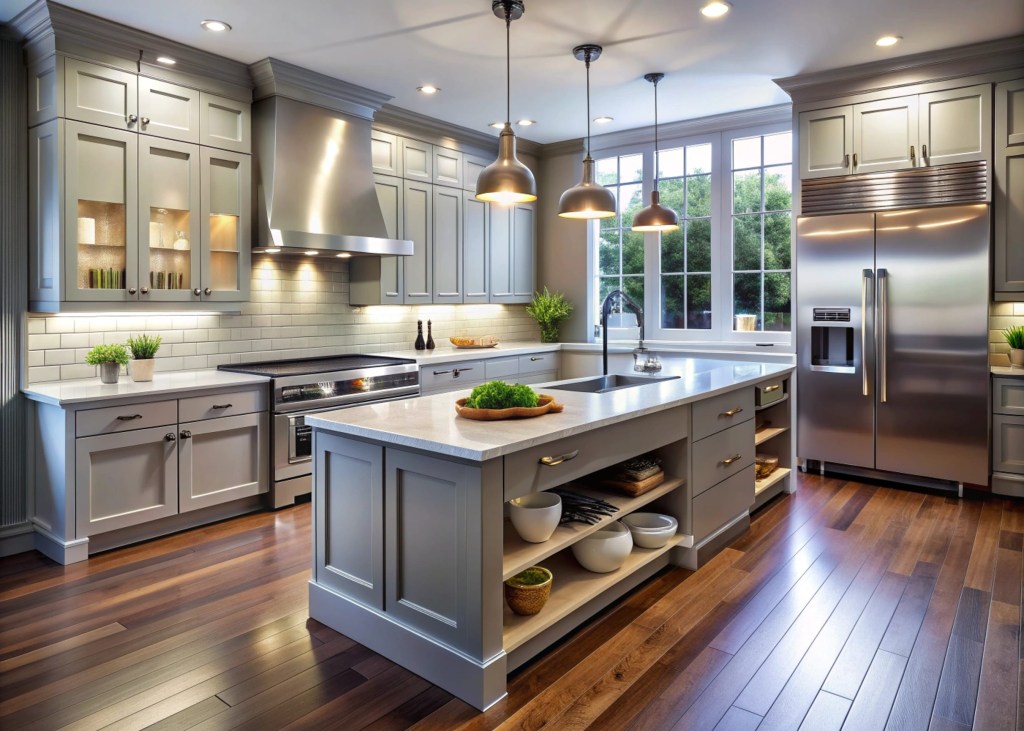
Good lighting makes a kitchen feel larger, brighter, and more welcoming.
8. Invest in Durable Materials
Kitchen surfaces work hard every day. When selecting countertops, flooring, and cabinetry, consider durability alongside appearance. Timeless materials often provide the best long-term value because they remain attractive and functional for years without feeling dated.
9. Be Careful With Trends
It’s natural to want a kitchen that reflects your personality. However, the most expensive elements of your renovation—cabinets, countertops, and tile—should generally have broad appeal. If you love bold colors or highly specific design styles, consider expressing them through accessories, artwork, lighting, or décor that can easily be updated later.
10. Work With the Right Professionals
A successful renovation requires more than great design. Whether you’re working with a contractor, designer, architect, or remodeling team, choose professionals with strong references and a proven track record. Careful planning and quality execution can make the difference between a renovation that adds value and one that creates costly headaches.
The Bottom Line
A kitchen renovation isn’t just about creating a beautiful space—it’s about improving the way you live while making smart financial decisions for your home.
The most successful projects focus on functionality first, invest in quality where it matters most, and strike a balance between personal enjoyment and future resale appeal.
If you’re considering a kitchen renovation and would like guidance on which upgrades are most likely to add value in today’s market, I’d be happy to help. Every neighborhood is different, and understanding buyer expectations can help you renovate with confidence.
 Premiere Carolina Homes